




Doñana National Park is a mosaic of different landscapes where a wide variety of plant and animal species coexist. Its size and strategic location make this natural area an important wintering ground for migratory birds. Doñana stands out as one of the most important wetlands in Europe.
Located in the south-western corner of the Iberian Peninsula, in the Autonomous Community of Andalusia, between the provinces of Huelva, Seville and Cadiz, recognition of the value of Doñana’s ecosystems and biodiversity began with the establishment of the Doñana Biological Station Reserve in 1962. Since its expansion in February 2004, the Doñana National Park covers 54,252 hectares (plus the 7,450-hectare protection zone), distributed among the municipalities of Almonte and Hinojos in the province of Huelva, and Aznalcázar and La Puebla del Río in the province of Seville.
For its part, the Doñana Natural Park was created as a protective belt for the National Park. Currently, the Doñana Natural Park covers 53,835 hectares. The so-called ‘Doñana Region’, or in other words, its area of socio-economic influence, covers an area of 2,900 km2, of which 1,155 are protected areas, and is made up of the territory between the Huelva coastline, the Lower Guadalquivir and the Huelva-Seville corridor. It encompasses 14 municipalities belonging to three different provinces: Almonte, Bollullos Par del Condado, Bonares, Hinojos, Lucena del Puerto, Moguer, Palos de la Frontera and Rociana del Condado in Huelva; Aznalcázar, Isla Mayor, Pilas, Puebla del Río and Villamanrique de la Condesa in Seville; and Sanlúcar de Barrameda in Cádiz.
Doñana’s uniqueness is due to its wide variety of ecosystems, which are home to a biodiversity that is unique in Europe. The most characteristic is the marshland, present in varying degrees of transformation, but it also has a significant representation of forest formations, Mediterranean scrubland, beaches and lagoon complexes. Doñana National Park is a mosaic of different landscapes where a wide variety of plant and animal species coexist. Its size and strategic location make this natural area an important wintering ground for migratory birds. Doñana stands out as one of the most important wetlands in Europe.
Since its declaration as a National Park in 1969, Doñana has received various recognitions that demonstrate its international importance in prestigious supranational networks: UNESCO Biosphere Reserve; Special Protection Area for Birds (SPA); Special Area of Conservation (SAC); Green List of the International Union for Conservation of Nature (IUCN); UNESCO World Heritage Site; along with a series of recognitions such as the European Charter for Sustainable Tourism (CETS) and the Council of Europe Diploma for Management and Conservation, which has been renewed every five years to date.
The Doñana Natural Area is a paradise for birdwatchers. In early autumn and throughout the winter, thousands of water birds such as geese and ducks from northern Europe can be seen here. In spring and summer, storks, herons and swallows, among other species, arrive from Africa in search of food and a milder climate.
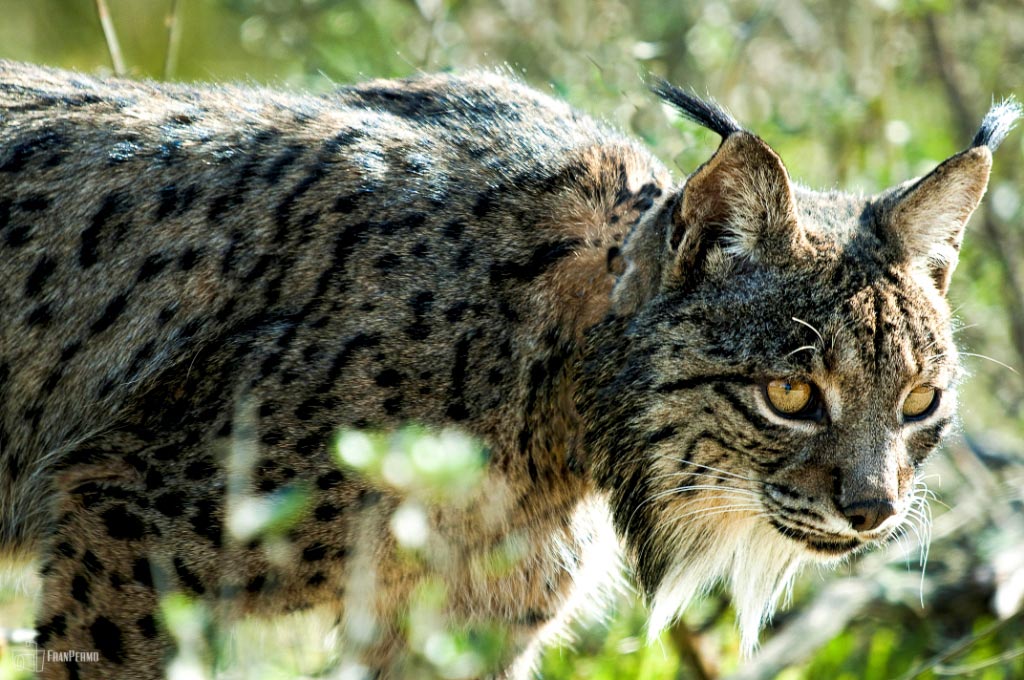
Pine forests, riverside woods, cork oak groves, scrubland, the coastline and, above all, wetlands (marshes, lagoons, streams and rivers) provide ideal habitats for a wide variety of bird communities. Doñana is home to extensive pine forests and dense Mediterranean scrubland, providing a suitable habitat for the iconic Iberian lynx and various species of birds of prey such as the imperial eagle.
Another point of interest in the area is the Asperillo fossil dune system that runs parallel to the coast. On the beach, you can admire the impressive Asperillo Cliff, declared a Natural Monument for its uniqueness and beauty.
To the north and south of the natural area are other pieces of the unique puzzle that is Doñana: the shallow waters of the Galician Marsh, the Lucio del Cangrejo and the Bonanza Marshes. Countless birds feed and breed here. Visitors can enjoy observing the horizontality of this landscape, the birdlife that inhabits it and the spectacular flight of the flamingos.
These lands have been populated and modified by humans throughout history. Traditional practices such as beekeeping, pine cone harvesting and agriculture are still carried out today. Although some professions such as charcoal burning are dying out, it is still possible to find some active charcoal kilns in the park.
The village of El Rocío, where the popular Romería del Rocío pilgrimage takes place, is an unrivalled viewpoint over this natural space.
Special feature of Hinojos:
Hinojos, with a municipal area of 31,988 hectares, contributes 23,863 hectares to the Doñana Natural Area, of which 10,631 belong to the National Park and 13,232 to the Natural Park, representing almost 75% of its territory, making it the municipality with the most protected territory. The Hinojos Marshes cover 8,500 hectares and are owned by our town council.
Among the cultural heritage sites within Doñana, the Palacio del Rey, also known as the Palacio del Lomo del Grullo, stands out. It was commissioned by King John II (1398-1479) and was brought to its greatest splendour by the Catholic Monarchs. The building was renovated on several occasions and in 1770 it underwent a complete refurbishment. In the mid-19th century, the Duke of Montpensier acquired the property, and it was one of his daughters, the Countess of Paris, who promoted the restoration of the palace.
Points of interest:
El Acebuche Visitor Centre: El Acebuche attempts to piece together the mosaic of the Doñana Natural Area through its interpretive exhibition. Beaches, marshes, forests, dunes and the transitional ecosystem, the vera, are integrated with the anthropological vision of those activities traditionally carried out in this environment. The exhibition also explains the transformation that the landscape undergoes during the different seasons and the importance of this wetland for the conservation of a large number of migratory birds. It offers programmes for schools and Nature for All (aimed at people with disabilities).
Iberian Lynx Observatory: The current Iberian Lynx Observatory is located on the ‘Huerto y Pajas’ footpath, next to the El Acebuche visitor centre. On the way to the observatory, you can see one of the most representative landscapes of Doñana, the ‘cotos’, formed by scrubland of heterogeneous composition, in which small groves of stone pine stand out with scattered junipers, wild olive trees and cork oaks. This landscape is the ideal habitat for small and large mammals: rabbits, deer, fallow deer, wild boar, mongooses, foxes, badgers, and even Iberian lynxes. It also offers ideal nesting areas for various species such as the red kite, booted eagle, imperial eagle, kestrel, and azure-winged magpie, among many others.
The importance of conserving the habitat of the Iberian lynx, a species representative of this territory, has led to the development of Educational and Interpretation Programmes, guided by specialised personnel, who walk the footpath and where it is possible to see several specimens of Iberian lynx from this observatory.
Visits to this observatory are free of charge, but advance booking is required. Reservations can be made at the El Acebuche Visitor Centre itself, by calling 959 439 629, or through one of the authorised tourist companies that include this visit in their range of services.
La Rocina Visitor Centre: La Rocina is located near the village of El Rocío, on the lower course of the stream of the same name. This centre serves as the starting point for an interesting trail that runs along part of the stream and aims to explain the plant formations found there, such as pine forests, fern groves, heaths, brambles and reed beds, as well as the typical vegetation of the white mountains, mainly consisting of rockroses and aromatic scrub such as lavender, rosemary and thyme. In addition to explaining these plant formations, the visitor centre showcases the fauna present in them, where migratory and aquatic birds abound, such as the bulky greylag goose, the striking purple swamphen and the endangered squacco heron.
Acebrón Visitor Centre: Acebrón is an old mansion built in the second half of the 20th century, which has since been adapted to promote awareness and knowledge of the ethnographic heritage of Doñana National Park. The exhibition Doñana y el hombre (Doñana and Man) offers visitors the chance to learn about various aspects and peculiarities of the relationship between the locals and their natural environment. It shows everything from what their huts or dwellings were like, built from plant materials found in the surrounding area, to the hierarchical organisation of the family. It delves into the harsh life in the marshes and the traditional trades that were carried out there, such as hunting, fishing and livestock farming. The exhibition also deals with the current evolution of other uses such as strawberry farming, tourism and hospitality. Of course, it does not forget deeply rooted traditions such as the Saca de las Yeguas (the gathering of mares) or the world-famous Romería del Rocío pilgrimage.
Francisco Bernis Ornithological Centre: This centre is a must-see for all ornithologists and nature lovers visiting this unique place. It houses the offices of SEO/BirdLife in Doñana and is the hub for a wide range of conservation, bird ringing, training, environmental education and volunteer activities. From its spacious terraces, it is possible to observe spoonbills, flamingos, glossy ibises, herons, thousands of water birds and, very frequently, the rare Iberian imperial eagle. Thanks to the collaboration of Zeiss, the centre provides visitors with high-end telescopes and binoculars. In addition, the centre’s expert staff are on hand to offer visitors the most specialised information on the birds of Doñana, the latest sightings of interest, rarities and information on the best routes. Throughout the year, this centre offers a very diverse programme of training courses, environmental education workshops, scientific bird ringing campaigns, talks and volunteer days, activities in which anyone can participate.