WINES AND VINEGARS
Wine production in this region is protected by the DO ‘Condado de Huelva, Vinagre del Condado de Huelva y Vino Naranja del Condado de Huelva’ (Condado de Huelva, Vinegar from Condado de Huelva and Orange Wine from Condado de Huelva), which is one of the oldest wine designations of origin in Spain.
It is no surprise that vine cultivation and wine production in the Condado de Huelva date back to time immemorial. There are legendary references to exchanges with the Tartessians and Greeks, shipments sent to Rome and wine production during the Muslim period, although the reliable and documented beginning of vine cultivation in the region dates back to the 14th century, after the Reconquista and subsequent repopulation of the area. Since then, the wines of Condado de Huelva have travelled around the world. The wines that accompanied Christopher Columbus on his first voyage to the New World came from this area.
The nature of its land and climate have endowed the region’s soil with special conditions for growing grapes, specifically the Zalema variety, which is used to make one of the star products of Huelva’s gastronomy.
ACCESS TO THE CONDADO DE HUELVA WINE ROUTE WEBSITE
RELATED WEBSITE: https://docondadodehuelva.es/
RED BERRIES
Huelva is a world leader in the production and export of strawberries and red berries, and the Condado region plays a leading role in this, as its farmers were pioneers in this activity, which has since spread to the rest of the province.
This is a very dynamic sector, given that more than 90% of both strawberries and other red berries (raspberries, blueberries, blackberries, etc.) are exported to international markets. This means that a total guarantee of quality must be offered, which requires constant commitment to innovation, diversification, concentration of supply and the search for genetic improvements.
Added to this is sustainability, which is achieved largely through integrated production, taking advantage of the benefits of growing these fruits in a highly protected environment such as Doñana.
EXTRA VIRGIN OLIVE OIL AND TABLE OLIVES
The County of Huelva offers one of the best olive oils in the world, highly appreciated for its fruity touch, which is largely due to the influence of the Atlantic climate and a generous land, caressed by the breeze and the sun. All this, combined with the expertise of the cooperatives and their farmers, results in a quality product that conquers the most demanding palates with its unique flavour.
The olive trees are carefully tended, creating characteristic landscapes next to Doñana, and are cultivated using environmentally friendly techniques. The select fruit is harvested without touching the ground, at its optimum moment of ripeness, and cold-pressed so that all its properties are transferred to the oil.
Another peculiarity of the oils from the Condado is their early character, thanks to the geographical location of the province of Huelva and the climate of these lands, which pamper the olive trees and give them exceptional precocity. They also stand out with their own guarantee mark, ‘Aceite de Huelva’ (Huelva Oil), as the cooperatives, the main producers, have made an effort to certify the quality, making it compatible with continuing to operate in the traditional way.
Also exceptional in every way are the green olives, which, seasoned with unique spices from these lands, achieve their full flavour. They are a guarantee of healthy food and have been granted Protected Geographical Indication status, together with products from municipalities in Seville.
ESCACENA CHICKPEAS
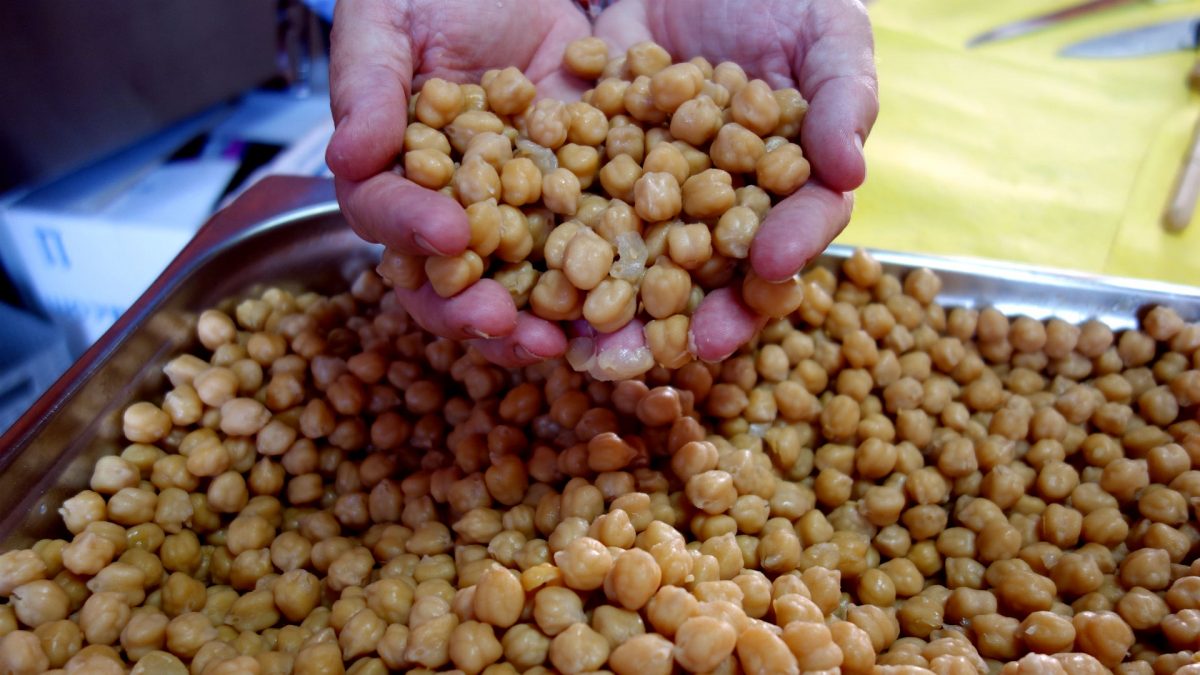
Escacena chickpeas are protected by the Protected Geographical Indication (PGI) ‘Garbanzo de Escacena’ and are characterised by their organoleptic qualities, which give them a great finesse on the palate. They also stand out for their unique physical and morphological characteristics, such as their characteristic very light yellowish-white colour.
The production area for products covered by this PGI is located in the ancient historical region known as El Campo de Tejada and is produced in very deep, high-clay-content soils which, due to the lack of undulation in the terrain, have drainage problems, possessing a high moisture retention capacity and a high base content.
The entire production, selection and packaging process, as well as its distribution, guarantee an excellent product, which is recognised by the most demanding markets.
RELATED WEBSITE: https://igpgarbanzodeescacena.com/
WHITE SHRIMP FROM HUELVA
In the Condado de Huelva, the white prawn is much more than a product of the sea: it is a gastronomic emblem that combines the freshness of the Atlantic with the wine-making tradition of this land. This simple and exquisite delicacy is the perfect accompaniment to the wines of the Condado —white, fino and fortified— creating a harmony of flavours that captivates locals and visitors alike. At fairs, pilgrimages and wine tourism routes, white prawns are served boiled, grilled or simply accompanied by salt.
Enjoying white prawns in the Condado is to immerse yourself in a sensory experience that reflects the richness of the sea and the land, fused in a culinary tradition that bears witness to the heritage and identity of this region.
FISH AND SEAFOOD
The Condado de Huelva offers a rich variety of fish and seafood that have been essential to the local cuisine for centuries. From tasty white fish to the most exquisite seafood, these fresh products arrive daily on the tables, bringing with them the authentic flavour of the Atlantic. Products such as mojama, prawns and cuttlefish are simple dishes but full of flavour. These delicacies are enjoyed in various ways, whether grilled, pan-fried or in stews, always accompanied by the excellent wines of the Condado.
Tasting the fish and seafood in the Condado is a way of connecting with the region’s fishing tradition, where the sea and the land come together to offer a unique gastronomic experience that celebrates the flavour and freshness of local products.
MOSTRENCA COW
The Mostrenca cow is a native breed of the Condado de Huelva region and represents a fundamental part of the region’s livestock and gastronomic heritage. Raised in freedom on the pastures of Doñana, this cow is renowned for the quality of its meat, which is juicy, flavourful and has a unique taste that reflects the care and respect for the area’s livestock traditions.
Mostrenca beef is particularly prized for its texture and intense flavour, ideal for preparing traditional dishes such as grilled beef, stews and roasts. In addition, its milk is the basis for some of the region’s most delicious cheeses.
Enjoying Mostrenca beef in the Condado region means delving into a livestock tradition that has endured over the centuries, reflecting the care and dedication of local farmers. Its meat, renowned for its flavour and quality, is a true example of the region’s rich agricultural heritage, where tradition and the natural environment come together to offer an authentic and delicious culinary experience.
RECIPES FOR TYPICAL DISHES
Broad beans with pennyroyal
Ingredients:
1 kg fresh broad beans
6 garlic shoots
1 bunch of pennyroyal
1/2 lemon
Sea salt to taste
Preparation:
Wash and shell the broad beans.
In a pot with water and salt, add the broad beans, the juice of half a lemon and half the pennyroyal.
Boil for 35-40 minutes until the broad beans are tender.
Remove from the heat and add the rest of the pennyroyal.
Leave to rest for a few minutes before serving.
Revoltillos in Sauce
Ingredients:
1 kg of revoltillos
2 medium onions
1 chopped fresh tomato
1 head of garlic
2 bay leaves
2 cloves
Oregano to taste
2 concentrated stock cubes
1 glass of rosé wine
2 glasses of water
Salt and pepper to taste
Olive oil
Preparation:
Wash the revoltillos thoroughly, drain and dry.
Sauté the onion, garlic and bay leaves in olive oil.
Add the revoltillos and the rest of the ingredients.
Cook over medium heat with the lid on until the revoltillos release their juice.
Add the wine and water and cook until tender.
Mostrenca beef stew
Ingredients:
1 kg of mostrenca beef
2 onions
2 cloves of garlic
1 red pepper
2 ripe tomatoes
1 glass of white wine
2 bay leaves
Olive oil
Salt and pepper to taste
Preparation:
Sauté the chopped onion, garlic and pepper in a casserole dish.
Add the meat and brown on all sides.
Add the tomatoes, bay leaves, salt and pepper.
Pour in the wine and simmer until the meat is tender.
Potatoes with cuttlefish
Ingredients:
500 g cuttlefish, cut into strips
4 medium potatoes
1 chopped onion
1 chopped green pepper
2 ripe tomatoes
2 cloves of garlic
1 bay leaf
Olive oil
Salt and pepper to taste
Preparation:
Sauté the onion, pepper and garlic in olive oil.
Add the tomato and cook until it breaks down.
Add the cuttlefish and cook for a few minutes.
Add the potatoes, bay leaf, salt and pepper.
Cover with water and cook until the potatoes are tender.
Chickpea Stew
Ingredients:
500 g chickpeas
150 g carrots
2 onions
2 cloves of garlic
1 bay leaf
Parsley to taste
Olive oil
Salt and pepper to taste
Preparation:
Soak the chickpeas in water for 12 hours.
Sauté the chopped onion and garlic in olive oil.
Add the sliced carrots and drained chickpeas.
Cover with water, add bay leaf, salt and pepper.
Cook over medium heat until the chickpeas are tender.
Sprinkle with chopped parsley before serving.
Hornazos
Ingredients:
500 g wheat flour
25 g fresh yeast
100 ml olive oil
2 eggs
100 ml milk
1 boiled egg per hornazo
Salt and sugar to taste
Preparation:
Mix the flour with the yeast, milk and oil.
Add the eggs and mix until a smooth dough forms.
Leave to rest for 1 hour. Shape the hornazos and place a boiled egg in each one.
Bake at 180ºC for 25-30 minutes.
Easter cake
Ingredients:
500 g flour
200 g sugar
4 eggs
1 cup milk
1 cup oil
Lemon zest
1 sachet baking powder
Preparation:
Beat the eggs with the sugar, add the milk, oil and zest.
Add the flour and baking powder and mix.
Pour into a mould and bake at 180ºC for 30-40 minutes.
Abbot’s Ear
Ingredients:
250 g flour
1 egg
50 g lard
50 ml white wine
Oil for frying
Sugar and cinnamon for sprinkling
Preparation:
Mix all the ingredients together to form a dough.
Roll out and cut into strips. Fry in hot oil.
Sprinkle with sugar and cinnamon to taste.
Honey Roses
Ingredients:
250 g flour
2 eggs
Orange zest
1 tablespoon anise
Honey and sugar for coating
Oil for frying
Preparation:
Make a dough with the ingredients and form spiral doughnuts.
Fry until golden brown and bathe in hot honey.
Sprinkle with sugar to taste.
Perrunas
Ingredients:
500 g flour
250 g lard
200 g sugar
1 egg
1 tablespoon ground cinnamon
Lemon zest
Preparation:
Mix the lard with the sugar, then add the egg and the rest of the ingredients.
Shape the perrunas and bake at 180ºC for 20 minutes.
Poleá
Ingredients:
100 g flour
500 ml milk
Lemon peel
1 cinnamon stick
Sugar to taste
Olive oil
Diced fried bread
Preparation:
Boil the milk with the lemon peel and cinnamon.
Fry the flour in oil and gradually add the strained milk.
Cook until thickened. Serve with fried bread and sprinkle with sugar and cinnamon.