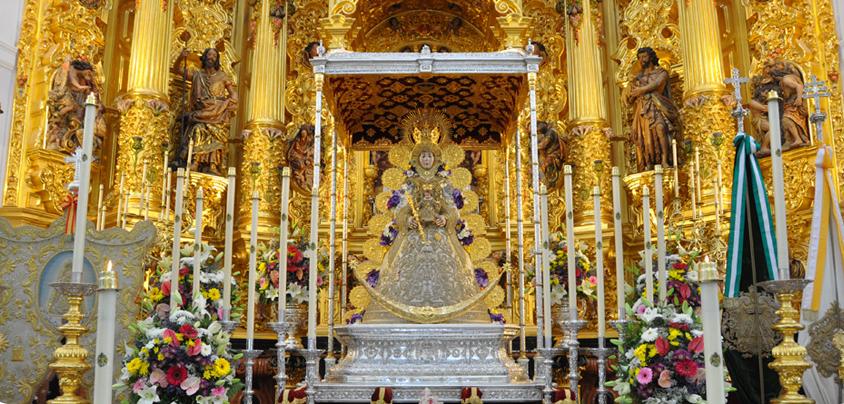
The Rocío pilgrimage is a traditional festival known throughout the world. It is celebrated in the days leading up to Pentecost, which is why its date varies between May and June. More than a hundred branches of the Hermandad Matriz de Almonte attend this pilgrimage, as well as non-affiliated groups and numerous other associations.
All the brotherhoods arrive at the village on foot and in carts. The services begin on Friday at 6 p.m. with the presentation of the brotherhoods at the feet of the Virgin, continuing on Saturday from 12 noon. From midnight on the same day, the Holy Rosary is celebrated.
On Sunday morning, Pontifical Mass is celebrated, in which all the brotherhoods participate, and in the evening, the Rosary of all the Brotherhoods takes place. Once this is over, the most significant and emblematic moment of this festival occurs: the jumping of the fence, which is performed by the people of Almonte to carry their patron saint on their shoulders until Monday at noon, after passing through all the affiliated brotherhoods.
On August 18th and 19th, the village of El Rocío celebrates El Rocío Chico. This tradition originates from a vow of thanksgiving that the people of Almonte made in 1813 after escaping from the French attack. The vow is dated August 16th, 1813, the year since which this more local festival has been celebrated.
On the 16th, 17th, and 18th, a preparatory triduum organized by the Hermandad Matriz (Madrid Brotherhood) takes place. At midnight on August 18th, a rosary procession takes place through the streets of the village, ending with the entrance of the Almonte simpecado (simpecado) into the sanctuary.
On the morning of the 19th, the people of Almonte fulfill the promise of this vow.
The days of the Rocío Chico celebration, despite the many thousands of people devoted to the Virgin who participate in the services, are days of intimate and family encounters with the Virgin, far from the festivities and pilgrimage atmosphere that characterize other moments of the Rocio calendar.
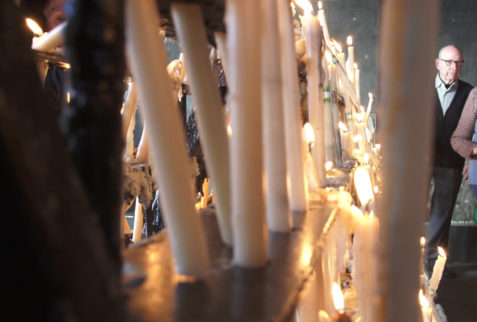
The Festival of Light, also known as Candlemas, is a religious celebration that takes place in the village of El Rocío during the first weekend of February. This festival commemorates the Presentation of the Child Jesus in the Temple and the Purification of the Virgin Mary, following the Christian tradition that marks this event 40 days after the birth of Jesus.
Organised by the Hermandad Matriz de Nuestra Señora del Rocío, the celebration includes various liturgical and devotional acts. On Saturday afternoon, the Holy Rosary is recited, followed by a Marian vigil and a Eucharistic ceremony in the Sanctuary of the Virgin of El Rocío. On Sunday morning, the presentation of the children to the Virgin takes place, a ceremony in which the children, especially those under three years of age, are passed under the mantle of the image of the Virgin of El Rocío as a symbol of protection and blessing.
This tradition, revived by the Hermandad Matriz in the 1990s, has taken on a special significance in the Rociera community, becoming one of the most cherished events in the local religious calendar.
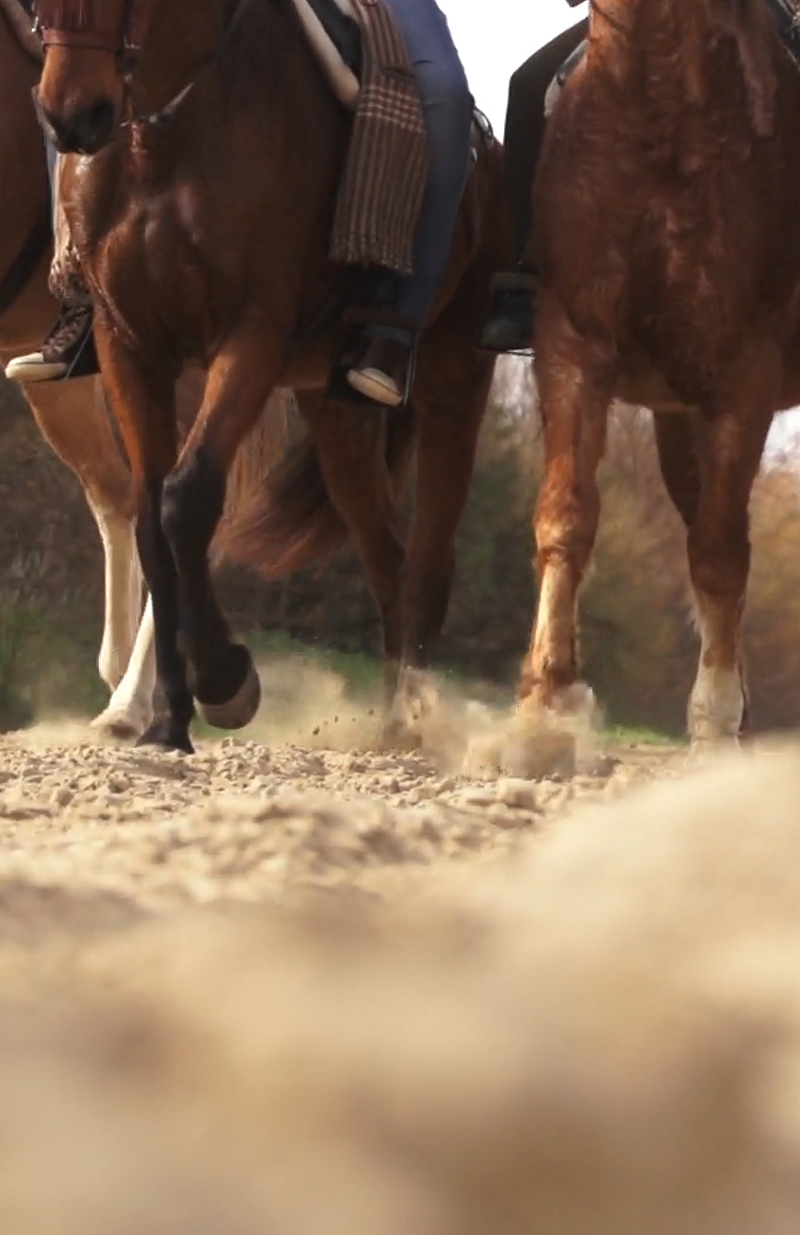
The AICAB (Actividades Hípicas Ciudad de Almonte) is an equestrian programme promoted by Almonte Town Council, in collaboration with local associations, which is held mainly in the village of El Rocío during the month of August. Its aim is to promote the municipality’s equestrian tradition, boost the local economy and attract both amateurs and professionals from the world of horses.
Activities include cowboy dressage competitions, ribbon races, equestrian exhibitions and flamenco shows. In addition, events such as the National Acoso y Derribo Championship and the National B Cowboy Dressage Competition have been organised. The AICAB equestrian centre, located in El Rocío, is the main venue for these activities.
Since its inception in 1999, the AICAB has evolved to become a highlight of the equestrian calendar in Andalusia.
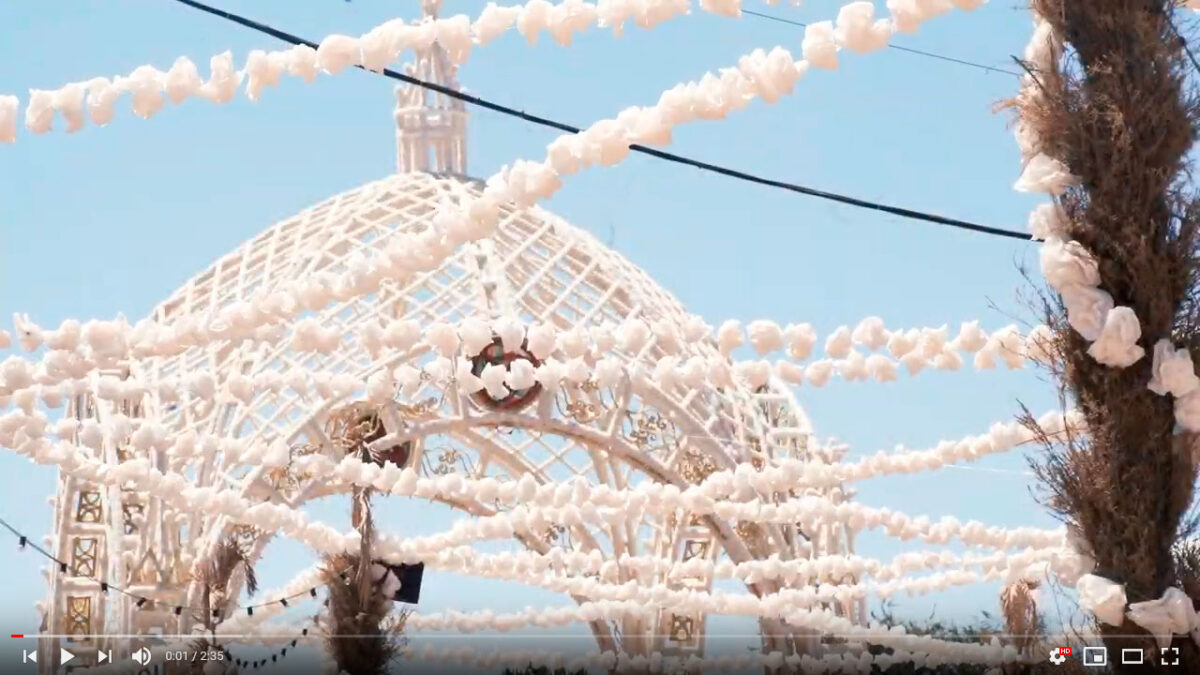
The San Pedro Fair has its origins in livestock farming and is held in El Chaparral around 29 June. It is a traditional Andalusian fair with a row of marquees on both sides of the grounds and a street dedicated to traditions. In addition, a livestock fair and an equestrian competition are held during these days.
Every seven years, the Virgin of El Rocío returns to Almonte to renew one of the most important Marian events celebrated in Spain. The fervour aroused by the image, together with the unique features of a tradition that has been celebrated since 1589, make this one of the most authentic and unique religious expressions in the world.
The Virgin is carried along the Camino de los Llanos, covering a total of 15 km. For this journey, the image changes its usual Queen’s dress for that of a Shepherdess, a travelling costume worn by ladies in the 17th century. The journey begins on the afternoon of 19th August, setting off at sunset and covering the image with a cape to protect it along the way.
At dawn, once in Almonte, in the place known as El Chaparral, the cloak is removed and her face is revealed with the first rays of sunlight amid the sound of gun salutes and cheers. From there, she sets off for the Church of La Asunción, a 14th-century temple, where she will remain for nine months. A week before the Rocío pilgrimage, it will be taken back to its chapel.
The Royal Fair of the Manzanilla Valley is one of the most emblematic festivals in the County of Huelva, with historical roots dating back to the 18th century. Its origins date back to the reign of Philip V, who, in gratitude for the active participation of the people of Manzanilla in the War of Succession, granted them the privilege of holding a tax-free fair in honor of Our Lady of the Valley, patron saint of the town.
Today, this fair is held in June and has evolved into a typical Andalusian fair, with a large, flat fairground that houses booths and attractions for the enjoyment of locals and visitors alike. In the center of the fairgrounds stands the chapel of the patron saint, from where the procession of Our Lady of the Valley departs on the Thursday of the fair, keeping alive the religious devotion that gave rise to this celebration.
Despite the changes over time, the Royal Fair of the Valley retains its traditional character as a place for the exchange of goods. Although symbolic, a livestock fair specializing in horses is still held outside the fairgrounds.
Organized by the Manzanilla City Council and the Brotherhood of Nuestra Señora del Valle, this festival combines religious, cultural, and recreational elements, offering a unique experience that reflects the identity and traditions of Manzanilla.
The Patron Saint Festivities in honor of San Roque, patron saint of Manzanilla, are celebrated annually on August 15 and 16, coinciding with the feast of Nuestra Señora de la Victoria. These dates are especially significant for the people of Manzanilla, as they combine religious fervor, tradition, and community spirit.
On August 15, the images of San Roque and the Virgin of Victory are transferred from their respective chapels to the parish church of Nuestra Señora de la Purificación, where they remain overnight. The following day, August 16, a solemn procession is held through the streets of the municipality, culminating in the return of both images to their chapels.
In addition to the religious events, the festivities include various cultural and recreational activities, such as musical performances, which encourage the participation and enjoyment of residents and visitors alike.
These celebrations reflect the identity and traditions of Manzanilla, establishing themselves as an unmissable event in the local festive calendar.
The Cruz del Camino del Puerto is one of Manzanilla’s most representative festivals, celebrated annually in May. This celebration is part of the traditional Cruces de Mayo, a cultural event deeply rooted in the region of Condado de Huelva.
During one of the weekends in May, the town is decorated to pay homage to the Holy Cross. The festivities include religious activities, such as the veneration and procession of the cross, as well as recreational and cultural events that encourage the participation of residents and visitors.
The Cruz del Camino del Puerto celebration stands out for its ability to combine tradition, devotion, and conviviality, establishing itself as an unmissable event in Manzanilla’s festive calendar.
The Cruz del Camino del Campo (Cross of the Country Road) is one of the most deeply rooted festivals in Manzanilla, celebrated annually in July. This celebration is part of the traditional May Crosses, a deeply rooted cultural event in the Condado de Huelva region. Although the May Crosses are traditionally celebrated in May, in Manzanilla, the Cruz del Camino del Campo (Cross of the Country Road) takes place in July, adapting to local traditions.
During the holiday weekend, the town is decorated to pay homage to the Holy Cross. The festive events include religious activities, such as the veneration and procession of the cross, as well as recreational and cultural events that encourage the participation of residents and visitors.
The celebration of the Cruz del Camino del Campo (Cross of the Country Road) stands out for its ability to combine tradition, devotion, and coexistence, establishing itself as an essential event in Manzanilla’s festive calendar.