Visita 360

AICAB

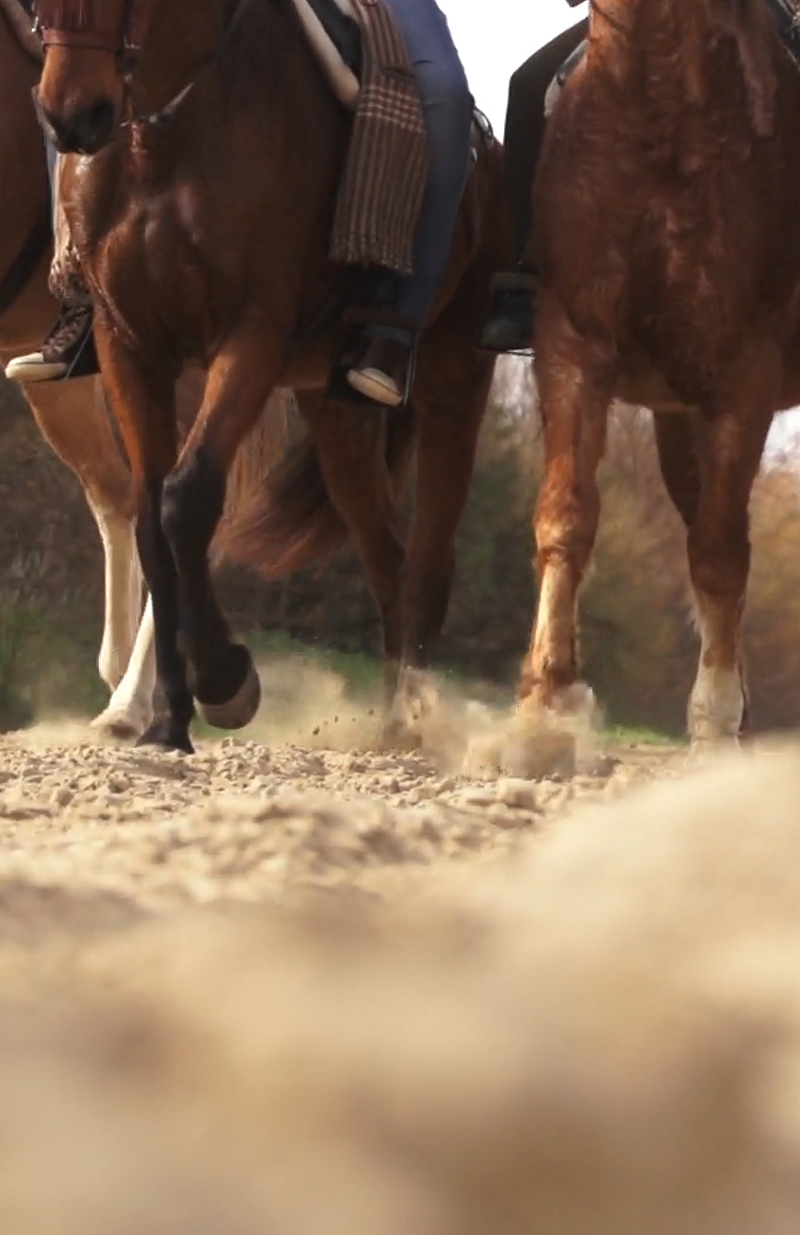
The AICAB (Actividades Hípicas Ciudad de Almonte) is an equestrian programme promoted by Almonte Town Council, in collaboration with local associations, which is held mainly in the village of El Rocío during the month of August. Its aim is to promote the municipality’s equestrian tradition, boost the local economy and attract both amateurs and professionals from the world of horses.

Activities include cowboy dressage competitions, ribbon races, equestrian exhibitions and flamenco shows. In addition, events such as the National Acoso y Derribo Championship and the National B Cowboy Dressage Competition have been organised. The AICAB equestrian centre, located in El Rocío, is the main venue for these activities.

Since its inception in 1999, the AICAB has evolved to become a highlight of the equestrian calendar in Andalusia.

Feria de San Pedro

The San Pedro Fair has its origins in livestock farming and is held in El Chaparral around 29 June. It is a traditional Andalusian fair with a row of marquees on both sides of the grounds and a street dedicated to traditions. In addition, a livestock fair and an equestrian competition are held during these days.

Museo Tesoro de la Virgen del Rocío

This museum is located in the galleries of the Sanctuary of the Patron Saint of Almonte. Its rooms and display cases serve to preserve and exhibit some of the historical and artistic heritage of the Hermandad Matriz de Nuestra Señora del Rocío (Brotherhood of Our Lady of El Rocío) in order to understand the more than seven centuries of documented history of devotion to the Virgin.

The oldest pieces on display are a tile panel dating from 1696, the only surviving piece from the original 13th-century religious building, and the Corona del Sol, the oldest piece of gold and silverwork in the Blanca Paloma’s trousseau, dating from the 17th century.

A selection of pictorial votive offerings, two complete costumes, and the crown with which the Virgin of El Rocío was canonically crowned on 8 June 1919 are some of the pieces that occupy the other display cases, in addition to the trousseau used for the transfers (skirt, cape, dust coat, hats and cloths), documents, and gold and silverwork, as well as a processional float of the Queen of the Marshes, donated in 1933, complete the exhibition space.

The visit culminates with the screening of a summary of the film Rocío. Reina y Madre de Andalucía (Rocío. Queen and Mother of Andalusia) in an intimate space offering a privileged view of the natural surroundings of Doñana, which helps us to understand one of the most pronounced expressions of devotion to the Virgin of Rocío, that of Queen of the Marshes.

The Pilgrim’s Office is located in the same premises. It provides a service for pilgrims, institutions and brotherhoods who wish to participate in the religious and cultural experience of El Rocío, and is a support tool for all those who seek a religious experience in El Rocío, whether travelling individually or in groups. The procedures that can be carried out at the Pilgrim’s Office include: scheduling a pilgrimage, mass, floral offering or other event related to the Sanctuary, requesting Plenary Indulgence, sales of books, DVDs and pilgrim credentials to Santiago, among others.

Museo Forestal de Almonte

Located at kilometre eight of the Almonte – El Rocío road, this is a forest of high ecological value, covering 60 hectares of pine forest where visitors can connect with the natural environment. Its contents are linked to the traditional uses and work carried out in the forest.

Iberian Lynx Interpretation Centre
The Lynx Interpretation Centre provides an in-depth look at this animal, from its morphological characteristics and life cycle to the different species belonging to the Lynx genus. The tour offers a close-up and realistic view of this species so that visitors can discover its unique features, as well as the threats and dangers that lurk.

The tour is organised around six rooms. Each one offers a theme related to this enigmatic animal, which visitors will gradually discover through audiovisuals, graphics, texts and dioramas. The rooms bring together information on the following topics: the lynx around the world, its habitat, the Iberian lynx as prince of Doñana, the lynx explained to children, and an audiovisual area. In short, it covers the scientific aspects, monitoring and the need to conserve it for future generations. The centre’s surroundings serve as a complementary visit, as they are a perfect example of the natural environment in which the feline lives.

Stone Pine Interpretation Centre
The Stone Pine Interpretation Centre allows visitors to explore the inside of a giant pine trunk. The space is divided into four sections that use models, panels and audiovisuals to explain the stone pine, the fauna and flora of the pine forest, and the sustainable use that humans have made of it.

Farm School
Nature and the classroom come together on the farm. A special residence where sheep, peacocks, chickens, goats and other animals live together. In the mare and deer enclosures, children can enjoy the wildest natural habitat in Doñana.

Adventure Park
One of the most innovative activities in active tourism. It consists of 162 structures suspended 8 metres above the ground with rope bridges, spider webs, rings, balance bars and a large slide.

Museo del Vino

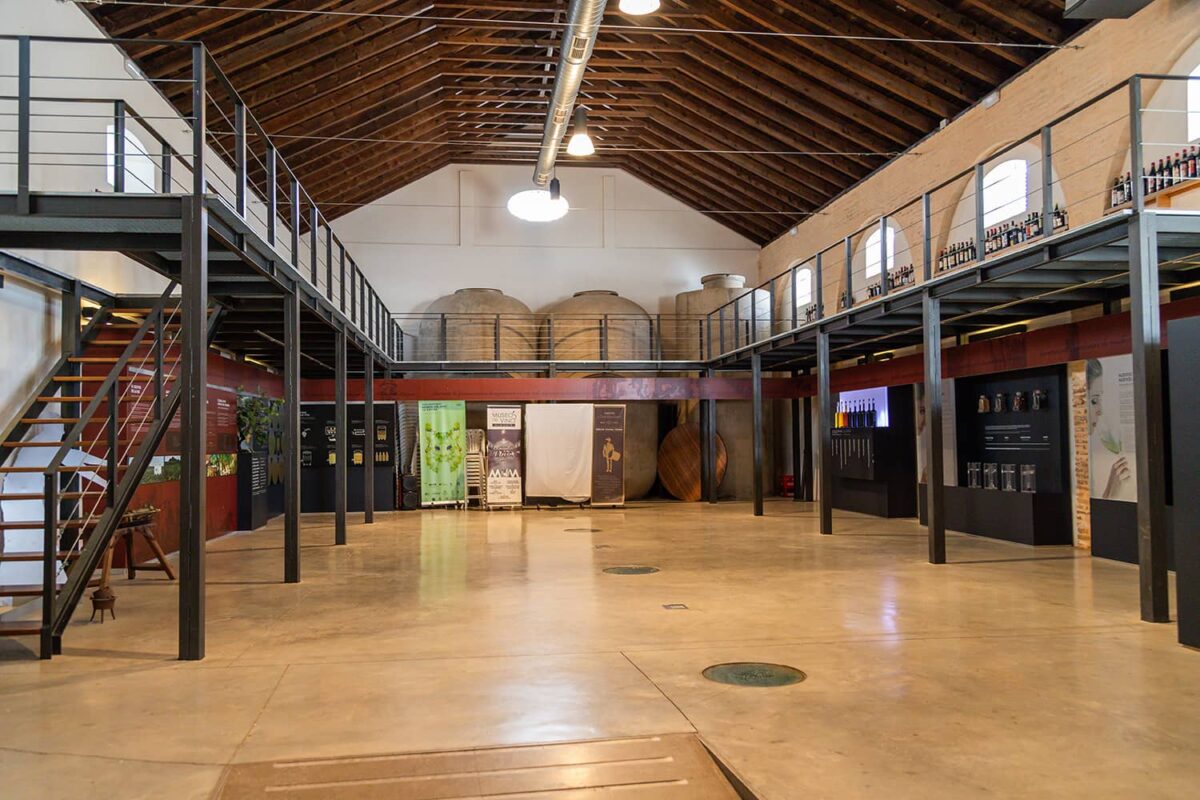
The Almonte Wine Museum is a space dedicated to promoting and disseminating the long wine-making tradition of the Almonte region. It is a place where visitors can learn about the history and production of the region’s wines and an encounter with wine, where wine is the true protagonist and the common thread that accompanies visitors throughout the exhibition. The museum, covering 1,000 square metres, offers an itinerary organised into different thematic areas dedicated to showcasing the various aspects that make up wine culture.

An educational and interactive journey to the essence of wine in a space that enhances the senses. The smell of must that permeates the building, evocative images that transport visitors to the old wine press of the winery, the aroma of the wines and the opportunity to taste them during the visit are some of the attractions of this enclave.

Located on a late 19th-century winery complex, the Wine Museum has become one of the most emblematic buildings in Almonte.

The Wine Museum welcomes visitors in a central courtyard where carts and animals laden with freshly cut vines from the fields used to enter. A spectacular scenographic setting transports visitors to the old wine press of the winery where, through a series of original pieces, such as concrete vats where wine was once stored, the early stages of wine production are shown: how the grapes were trodden and the press used to extract the first must. A cellar with American oak vats shows us the place where the mothers that gave body and character to the new wines were stored. The visit will also show the process of growing grapes throughout the four seasons of the year and the star of our vineyards, the Zalema grape. The colour of the grape and the maceration time determine the shades of the Almonte wines, which in turn give off different aromas: bitter orange, liquorice, vanilla… resulting in different wine productions. Visitors can enjoy all this through tastings, audiovisuals and interactive systems. Without a doubt, a pleasure for the senses.

Museo de la Villa

The Historical Museum of the Town of Almonte is located in an old 18th-century oil mill known as Molino de Cepeda. It showcases aspects of the municipality’s traditional culture, highlighting Almonte’s connection to Doñana National Park. It showcases the rich natural and cultural heritage of this municipality; various graphic and audiovisual elements reflect the presence of the customs and trades that have historically developed in Almonte, its ephemeral cathedrals… all of this integrated into a building that still retains part of the original machinery of the mill that once stood there, as well as the pits and jars where the oil was stored.

Centro Cultural de la Villa

It is a new building constructed in the style of an old chapel dedicated to St James the Apostle, founded in the 15th century, which, according to history, stood on the site where it has been built.

This building houses the headquarters and offices of:
– Almonte Foundation for Bibliophilia and Art (FABA).
– Culture for Tolerance Foundation.

The Cultural Centre of the Town’s heritage includes out-of-print books and 18th-century plans. The Cultural Centre of the Town coordinates activities with universities and holds conferences on various topics (history, anthropology, social sciences, etc.).

For its part, the FABA also has an important art gallery and around 2,000 volumes in its library, including out-of-print, rare and curious books.

Caballos Marismeños

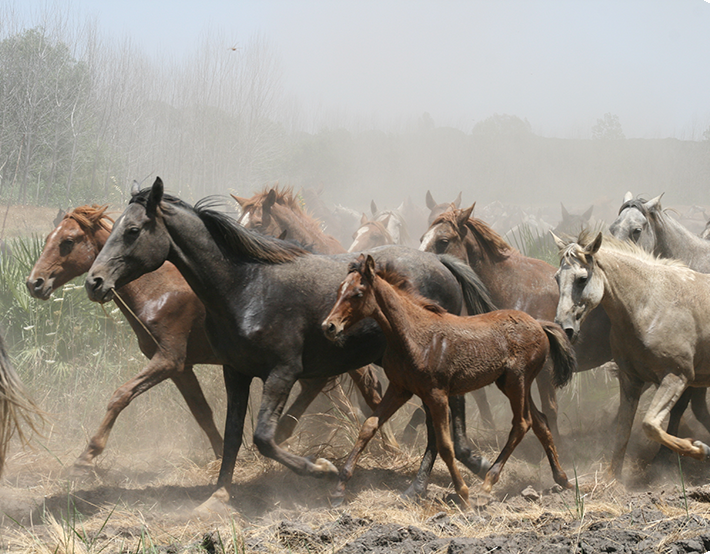
Since 2012, the Marismeña horse breed has been listed in the Official Catalogue of Breeds of Spain as an endangered species. The ancestral tradition of the Saca de las Yeguas helps to conserve these genuine horses native to Doñana. It is estimated that there is a population of more than 4,000 wild Marismeña horses, bred within the Doñana National Park.

The origins of the Marismeño horse breed are lost in time, but it seems that it already existed in Roman times, with this area later becoming a breeding ground for horses for Muslim troops. Many of these animals were the first horses to set foot on the American continent at the end of the 15th century, which is why the famous mustangs of the North American prairies are descendants of these Marismeños.

Acebuches del Rocío

The wild olive tree is a tree that, together with cork oaks and carob trees, used to be part of the Mediterranean forest that existed in these lands. These trees are well adapted to high temperatures and periods of water scarcity. Their fruit is called acebuchina and is an olive with a very large stone and little flesh. The culinary, medicinal and cosmetic properties of its fruit have been known since ancient times. In fact, throughout history, man has been cross-breeding this species in search of specimens with more fleshy fruit until achieving the different varieties of olive trees that have survived to this day.

The importance of these wild olive trees lies in the fact that they are preserved as a remnant of the native Mediterranean forest, and some of them are very long-lived, such as the one known as El Abuelo (The Grandfather), considered the oldest living being in Doñana with an estimated age of over six hundred years.

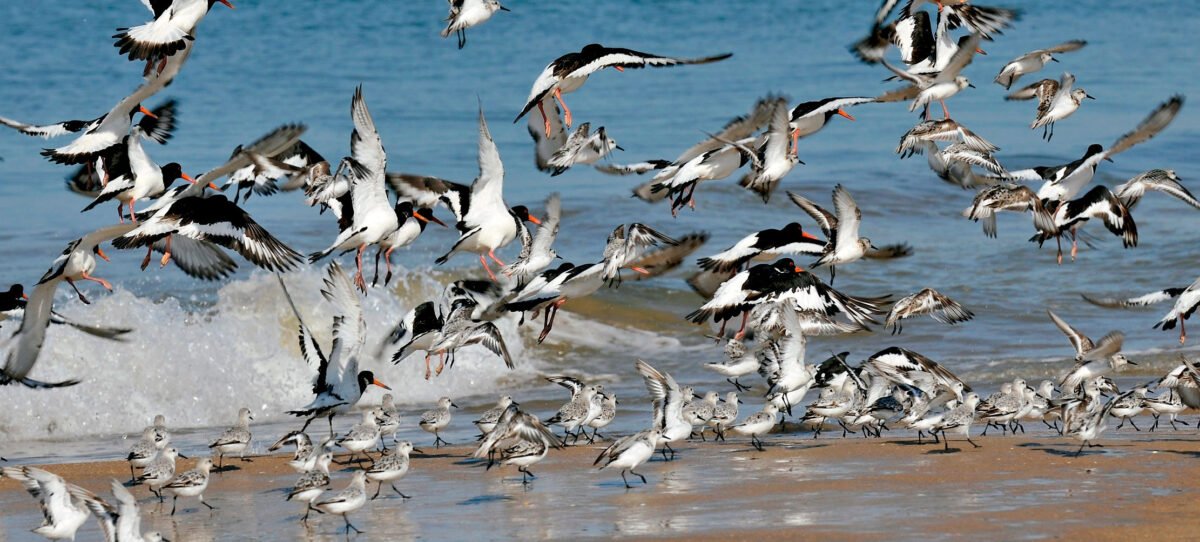
Very close to this square is the marshland that the people of Almonte call the Mother of the Marshes. This is where the Doñana National Park begins and, except in summer when it is usually dry, it is an excellent place to observe the birds that inhabit this natural space. A visit to this area can be rounded off with a stroll through the streets of El Rocío and a visit to the village chapel.

Matalascañas

Countless gastronomic offerings, leisure activities, outdoor pursuits, nightlife, and water sports, as well as camel and horse rides through the dunes and along the shore, make Playa de Matalascañas an incomparable setting and a must-see for all ages. A privileged place where light, nature, and climate come together to offer the most beautiful sunsets and the most unique views of Torre La Higuera.

Matalascañas offers visitors a wide variety of tourist accommodation, including tourist apartments, hostels, and hotels with up to four stars, giving tourists the opportunity to enjoy exclusive experiences, both inland and on the shores of the Atlantic Ocean. It is an ideal destination for singles, couples, and families due to its numerous services and options for relaxation, sports, and entertainment, as well as for hosting personal and business events. Without a doubt, this extraordinary setting offers visitors excellent facilities and quality service that guarantee a successful stay in Playa de Matalascañas.

A maze of trails and paths wind through an area of dunes and pine trees, where visitors can gaze out over the endless Atlantic Ocean on one side and a vast sea of green pine forests on the other. This is the Dunar Park, a truly delightful place where riding a dromedary across the dunes or horseback riding along the shore becomes an unforgettable experience for nature lovers. With the aim of revitalizing and restoring the area, the Parque Dunar Association organizes hiking and environmental education activities, bringing together ecotourism, sport, and leisure in this splendid Doñana Park.

Kilometers of bike paths run through the Matalascañas urbanization, passing through pine trees and scrubland along the Paseo Doñana, parallel to the National Park and connecting Matalascañas with Mazagón. Likewise, walking along the Sendero Dunar trail, visitors will discover the most important system of shifting dunes remaining on the Iberian Peninsula and one of the most spectacular landscapes in Doñana.

Throughout the year, Matalascañas hosts popular races and sporting events for lovers of healthy living and outdoor activities. In summer, one of the most appealing and refreshing experiences visitors can enjoy is viewing the coast of Doñana from the ocean itself and feeling it fully. That is why there are clubs and active tourism companies that offer a wide variety of courses and recreational, sporting, and water activities for all audiences. Jet skis, sport fishing, sea routes, surfing, banana boats, sailing, pedal boats… endless possibilities to make summer not only healthy, but also fun and fascinating, all in the exceptional setting of Matalascañas Beach.

Matalascañas can be enjoyed not only in the summer season. The year begins with the Three Kings Parade and the popular Carnival celebrations, and summer kicks off with the impressive San Juan Festival. Numerous bars and nightclubs, leisure centers, craft fairs, and street theater enliven the days and nights in this tourist destination, which also caters to children in its recreational offerings. Fun and educational workshops on the beach, camel rides, street music, boat trips, stargazing, and trampolines with slides and trampolines are all part of the offering that makes Playa de Matalascañas such an attractive vacation spot.

The existence of optimal facilities, accessibility conditions, and the range of services provided to users have earned it recognition as an Inclusive Beach, with an Ecoplaya Flag and the SICTED and Q for Quality tourism quality distinctions. It is equipped with seven lifeguard and surveillance stations along the entire length of the beach. There are also nine self-cleaning toilet facilities distributed along the promenade and in the urbanization itself, which can be explored by city bus and enjoyed on the tourist train. There is also a taxi service and intercity buses that allow visitors to travel even at night.

Matalascañas offers a diverse cuisine, with healthy and tasty dishes in which the meat, fish, and seafood from the Huelva coast are complemented by excellent vegetables from local gardens and washed down with the best wines from the region. Fried fish, Matalascañas clams, Huelva cuttlefish and white prawns, as well as Iberian meats from the mountains, are undoubtedly an attraction for the most discerning palates.

High-quality local products such as honey, olive oil, and organic red berries undoubtedly complement this great gastronomic offering, distributed among the numerous restaurants inland and its 23 beach bars along 4 kilometers of splendid sand.

Casilla Beach

Located on the Paseo Marismeño in the village of El Rocío, this is a life-size bronze sculpture symbolizing the “tamborilero rociero” (drummer), a figure representative of the cultural identity of this village, responsible for playing the flute and drum. The work was sculpted in bronze by the sculptor José Manuel Díaz Cerpa and erected by the architect José María Martínez Zuazo.

Playa Mata del Difunto

Located next to Asperillo Beach, this is a quiet and secluded 4.5-kilometer stretch of unspoiled beach with no services or facilities. It can be accessed on foot via Asperillo Beach or through the Doñana Campsite.